Facial Puffiness and Lifestyle
Why Is My Face Puffy in the Morning?
Learn why morning facial puffiness happens, which everyday habits may help, and how to recognise swelling that needs urgent or routine medical assessment.
6 min read · Educational guide
A mildly puffy face on waking can reflect temporary fluid shifts, but allergies, medication effects and other conditions can also cause swelling. Lying down overnight may make fluid more noticeable around the eyes and cheeks. Familiar, mild puffiness that settles after getting up is different from sudden, painful or persistent swelling. Appearance alone cannot reliably establish the cause, and morning fullness does not automatically mean you have gained facial fat.
What facial puffiness actually means

Puffiness usually describes swelling or fullness associated with fluid in facial tissues. It is not the same as facial fat, which contributes to normal facial shape alongside bones, muscles and skin. Fullness that changes noticeably between waking and later in the day is unlikely to represent rapid fat gain or loss.
Your circulation, kidneys and lymphatic system help regulate fluid throughout the body. Overnight, lying down changes how gravity acts on fluid distribution. The delicate tissues around the eyes can make small changes particularly noticeable. However, this explanation should not be used to dismiss new or worsening symptoms. MedlinePlus lists allergies, infections, injuries and medication reactions among possible causes of facial swelling.
Common Reasons for Morning Facial Puffiness
Several factors can overlap. Noticing a possible trigger is useful, but a single morning cannot prove that one food, sleeping position or habit caused the change.
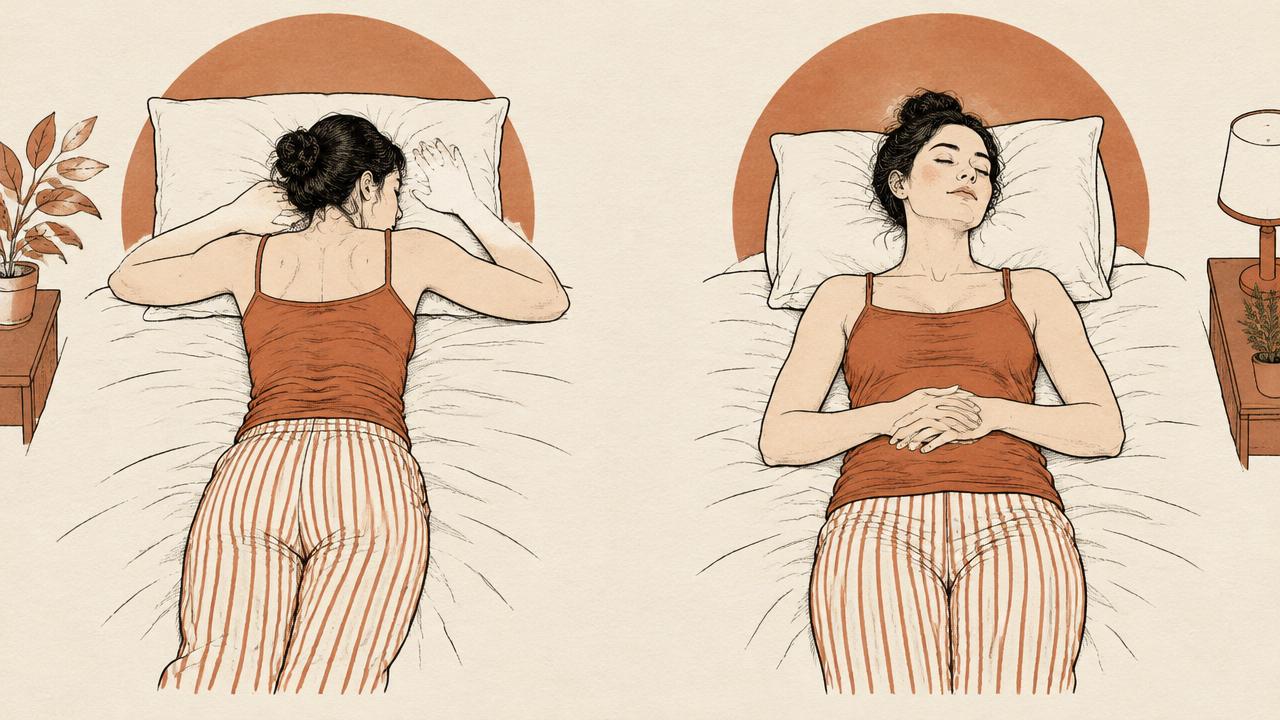
- Overnight position: lying flat may influence where fluid becomes noticeable. Pressure from a pillow can also temporarily alter how the face looks. No sleeping position guarantees a less puffy face.
- Sodium intake: an unusually salty meal can affect fluid balance in some people. Restaurant meals, processed meats, instant noodles and sauces are common sources, although a salty dinner does not explain every swollen face.
- Sleep disruption: insufficient or fragmented sleep may contribute to a tired appearance. It is not possible to diagnose fluid retention from sleep duration alone.
- Allergies: itchy or watery eyes, sneezing and congestion alongside puffiness may suggest an allergic problem worth discussing with a pharmacist or clinician.
- Sinus or dental problems: swelling with facial pressure, significant pain, fever or tooth symptoms needs assessment rather than a cosmetic routine.
- Alcohol: drinking can disrupt sleep and affect hydration habits. Any connection with next-morning appearance varies between people.
- Medicines: some medicines can cause swelling. A clinician or pharmacist should review suspected effects; do not stop prescribed treatment on your own.
How to Reduce Ordinary Morning Puffiness
If the puffiness is mild, familiar and unaccompanied by warning signs, start with comfort rather than trying to force a visible transformation. These measures may help you feel better, but none guarantees a particular facial appearance.
Give yourself time
Get up and begin your usual morning activities. Avoid repeatedly checking the mirror to measure whether swelling has changed minute by minute.
Wash gently
Use comfortably cool water or a clean, cool washcloth briefly. Avoid direct ice, very cold tools, harsh rubbing and pressure on the eyes.
Return to ordinary habits
Have your usual breakfast and drink normally according to your needs. Do not skip meals or drink excessive water to compensate for the previous evening.
Keep touch optional
If your skin is comfortable and there is no unexplained swelling, a few skin-light strokes may feel soothing. Massage is not treatment for swelling and does not remove fat. Skip it with pain, redness, infection or recent procedures unless your clinician advises otherwise.
Make evenings easier, not more restrictive
Aim for a reasonably consistent sleep schedule and enough opportunity to rest. For most adults aged 18–60, CDC recommends at least seven hours, while needs vary with age and circumstances. Good sleep supports health; it is not a proven facial-slimming technique.
MedlinePlus notes that head elevation may help facial swelling, but this is not proof that everyone should sleep upright. If modest elevation feels comfortable, discuss it when appropriate; avoid stacks of pillows that strain your neck. Follow existing advice for sleep apnoea, reflux, pregnancy or other conditions rather than changing position for appearance.
If salty evening meals seem relevant, compare similar products and try one manageable substitution. Keep meals satisfying. There is no need to eliminate all salt, cut carbohydrates or treat food as something you must undo the next morning.
When swelling needs medical attention
Call your local emergency number for sudden swelling of the lips, mouth, tongue or throat, difficulty breathing or swallowing, throat tightness, faintness or collapse. These can indicate a serious reaction; do not wait for water, massage or rest to work. The NHS treats these symptoms as emergency warning signs.
Seek prompt assessment for sudden, severe, painful or one-sided swelling, especially with fever, redness, warmth, dental pain, eye pain or vision changes. Arrange a routine appointment for persistent, recurrent, worsening or unexplained swelling, including swelling that began after a medication change.
For an appointment, note when it started, whether it settles, associated symptoms and recent medicines or illnesses. You do not need daily photographs. One brief written description can provide more useful information than repeated appearance comparisons.
Use routines for consistency, not diagnosis
The app's daily routine page offers timed exercises and completion tracking if you enjoy a comfortable routine. It cannot identify the cause of swelling, and exercises should not be used to treat it. Skip movements that cause pain or aggravate symptoms. A routine is optional; ordinary care and appropriate medical advice matter more than maintaining a streak.
Frequently asked questions
Does morning puffiness mean I gained facial fat?
No. A change that appears overnight or settles during the day may involve fluid or other temporary factors rather than fat. However, a mirror cannot reliably distinguish every cause. Persistent or unexplained fullness deserves assessment instead of assumptions about weight.
Should I sleep on my back to prevent puffiness?
There is no universally effective position for preventing facial puffiness. Comfort, breathing and any existing clinical advice take priority. Do not adopt an uncomfortable position or override sleep-apnoea advice solely to change your morning appearance.
Can I massage a swollen eyelid?
Avoid pressing or rubbing a swollen eyelid, particularly if it is painful, red or associated with discharge or vision changes. A clean, comfortably cool cloth may be soothing, but unexplained or persistent eyelid swelling should be assessed.
The takeaway
Mild morning puffiness can be temporary, but not every swollen face is a lifestyle issue. Use gentle care, maintain ordinary healthy habits and seek help for sudden, painful, persistent or unexplained changes.
Sources and further reading
General wellness information, not a diagnosis or individual medical advice. A healthcare professional can advise on unexplained swelling, pain, medical conditions, or recovery after treatment.