Facial Puffiness and Lifestyle
How Sleep Affects Facial Puffiness and Appearance
Understand how sleep can influence a tired appearance, what is uncertain about puffiness, and which practical bedtime habits support your overall health.
6 min read · Educational guide
Sleep can influence how rested you look and feel, but better sleep is not a proven facial-slimming treatment. Morning puffiness may involve overnight fluid distribution, allergies or other causes rather than sleep loss alone. A consistent sleep schedule supports general health, while claims that a particular bedtime, pillow or sleeping position will reliably reshape your face go beyond the evidence.
What sleep does for your body
Sleep supports attention, memory, emotional wellbeing and normal metabolic and cardiovascular health. CDC emphasises both sufficient duration and good quality: time in bed is not the same as uninterrupted, refreshing sleep. For adults aged 18–60, its recommendation is at least seven hours; recommendations differ for older adults and younger people.
Those benefits matter regardless of facial appearance. Someone can sleep well and still have naturally full cheeks or under-eye contours. Another person may look alert despite being sleep-deprived. Your face is not a reliable sleep test, and there is no healthy requirement to look refreshed every morning.
Why poor sleep may change how your face looks
After a disrupted night, people may notice a tired expression, more obvious under-eye shadows or a sense of puffiness. Shadows also depend on lighting, pigmentation and anatomy, so they are not interchangeable with swelling. Rubbing irritated eyes or dealing with an allergy can further complicate the picture.
Sleep and fluid regulation are connected through normal body processes, while lying down changes the influence of gravity on fluid distribution. However, this does not establish that insufficient sleep is the cause of an individual's facial swelling. It is too simplistic to say that poor sleep stops drainage or traps toxins in the face.
Fluid-related puffiness is also different from fat. A change between waking and lunchtime is not evidence of rapidly gaining and losing facial fat. Improving sleep may help you feel better without creating any noticeable change in facial shape.
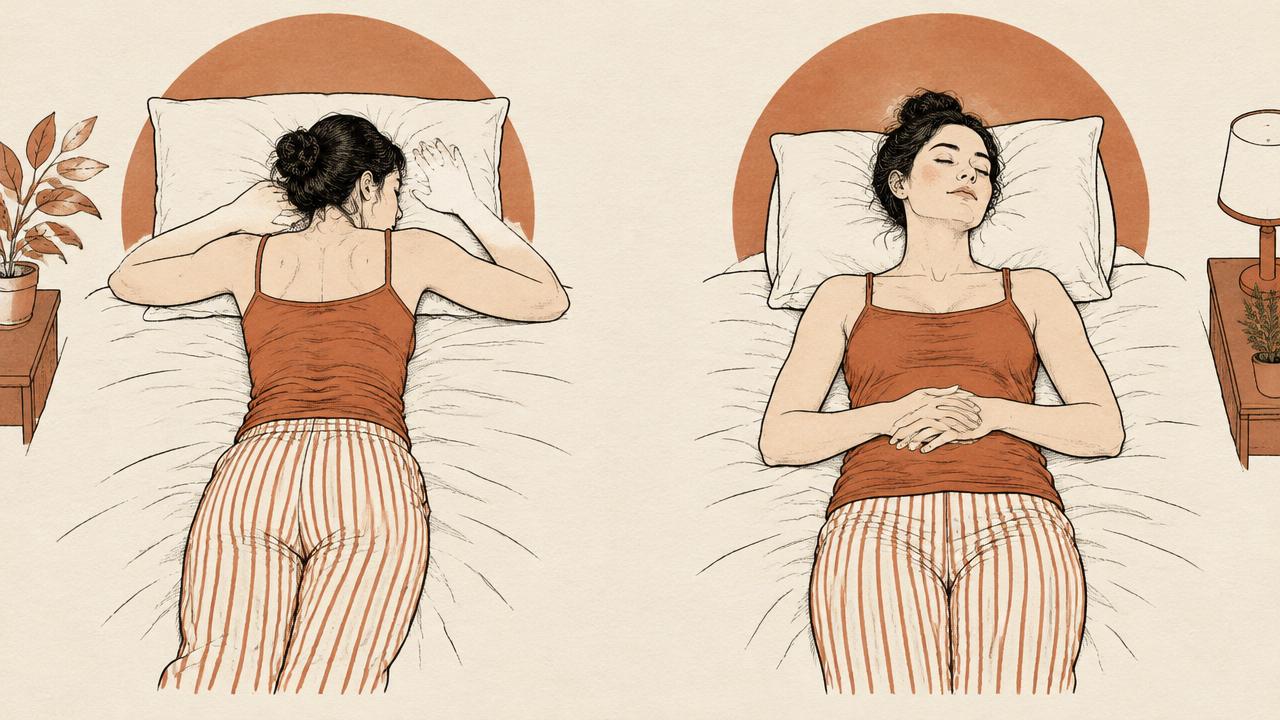
Can sleeping position make a difference?

Position may affect temporary fluid distribution and pillow pressure, but evidence does not support one universal anti-puffiness position. MedlinePlus mentions head elevation as a home-care measure for facial swelling. That advice is not a guarantee of cosmetic improvement or a reason for everyone to sleep upright.
Prioritise comfortable, supported sleep. A small change in elevation may suit some people, but stacked pillows can leave the neck uncomfortable. Stop an experiment that worsens pain, breathing or sleep. Follow condition-specific advice for sleep apnoea, pregnancy, reflux or recovery after a procedure.
Do not repeatedly wake yourself to correct your position or purchase expensive equipment based on promises of overnight face sculpting. Protecting sleep quality is more useful than turning bedtime into an appearance-management task.
Habits That May Support Better Sleep
Choose one or two changes that fit your circumstances. Shift work, caring responsibilities, illness and housing conditions can limit control over sleep; difficulty sleeping is not a personal failure.
Keep a workable schedule
Aim for broadly consistent bedtimes and waking times. Leave enough opportunity for sleep rather than relying on a strict bedtime that does not match your life.
Make the room comfortable
Where possible, keep the space quiet, dark and comfortably cool. Adjust bedding or use simple light and noise controls if helpful.
Review caffeine timing
Try reducing afternoon or evening caffeine if falling asleep is difficult. Sensitivity differs, so pay attention to sleep rather than using a rigid rule as another source of stress.
Create a screen wind-down
CDC suggests turning devices off at least 30 minutes before bed. If that is impractical, reduce stimulating content and choose a quieter activity that helps you disengage.
Avoid using alcohol as a sleep aid
Alcohol may feel sedating but is not a reliable route to restorative sleep. Avoid excessive intake and seek medical support if reducing alcohol could involve withdrawal.
Use a simple evening cue
Reading, a warm shower, calm music or preparing for tomorrow can mark the transition to rest. The routine should be soothing, not another performance target.
Judge changes by rest and daily functioning
If you want to review a new sleep habit, make a brief note of bedtime, waking time and daytime energy outside the app. The app does not include a sleep logger. You do not need daily photographs, repeated mirror checks or a nightly prediction of how your face will look.
The daily routine timer can structure optional, comfortable exercises at a convenient time, but it is not sleep treatment. Do not stay awake to protect a completion streak. If the routine feels stimulating, move it earlier or skip it.
When to seek professional advice
Speak with a clinician about persistent insomnia, loud snoring with gasping or witnessed breathing pauses, or daytime sleepiness that affects safety or daily life. Do not drive when dangerously sleepy. These concerns deserve attention even if you are unconcerned about your appearance.
Facial swelling needs its own assessment. Seek prompt care for sudden, severe, painful or one-sided swelling, fever, redness, dental pain, eye pain or vision changes. Book an appointment for persistent, recurrent or unexplained swelling rather than assuming that more sleep will resolve it.
Call your local emergency number for sudden swelling of the lips, mouth, tongue or throat, breathing or swallowing difficulty, throat tightness or collapse. These are emergency warning signs, not ordinary consequences of a poor night's sleep.
Frequently asked questions
Will eight hours of sleep make my face thinner?
Not reliably. Sleep supports health but does not selectively burn facial fat or change bone structure. Your sleep needs also depend on age and circumstances. Focus on adequate, refreshing rest rather than a promised facial result.
Why am I puffy even after sleeping well?
Sleep is only one possible influence on appearance. Allergies, fluid shifts, sodium intake, medicines and other conditions can contribute to swelling. Persistent or unexplained puffiness should be assessed instead of assuming that your sleep routine is wrong.
Should I take a sleep supplement for puffiness?
Sleep supplements are not established treatments for facial puffiness. They can have side effects or interact with medicines. Discuss ongoing sleep problems with a clinician or pharmacist rather than taking a product to change your face.
The takeaway
Better sleep is worthwhile for wellbeing, not because it guarantees a different face. Build a manageable evening routine, keep position comfortable and treat persistent sleep problems or concerning swelling as health issues.
Sources and further reading
General wellness information, not a diagnosis or individual medical advice. A healthcare professional can advise on unexplained swelling, pain, medical conditions, or recovery after treatment.