Facial Puffiness and Lifestyle
How to Reduce Facial Puffiness Naturally
Explore gentle steps for temporary facial puffiness, a practical daily routine, realistic limits, and warning signs that need professional medical care.
6 min read · Educational guide
For mild, familiar facial puffiness, sensible first steps are ordinary hydration, less excessive sodium, consistent sleep and gentle skin care. Treat relevant allergies with appropriate professional advice, and avoid aggressive massage or extreme diets. These habits support health and may help some temporary puffiness, but they cannot reliably remove facial fat or treat unexplained swelling. Sudden, painful or persistent swelling needs medical attention rather than a natural remedy.
Start by separating puffiness from facial fat
Facial fat is normal tissue that helps determine face shape. Puffiness usually refers to swelling associated with fluid in the tissues. A face can also look different because of expression, lighting, camera distance or natural anatomy. Neither a photograph nor a pinch test can reliably diagnose the cause of fullness.
Before changing your habits, ask whether the swelling is new, painful, worsening or accompanied by other symptoms. MedlinePlus identifies many possible causes, including allergies, infections, injuries and medicine reactions. Lifestyle adjustments are not substitutes for treating those causes.
Keep hydration steady and moderate excessive sodium
Drink regularly rather than alternating between long periods without fluids and large amounts at once. Needs vary with activity, weather, health conditions and other factors. Water is useful, but drinks and foods also contribute fluid. If you have a prescribed fluid restriction, follow it rather than general wellness advice.
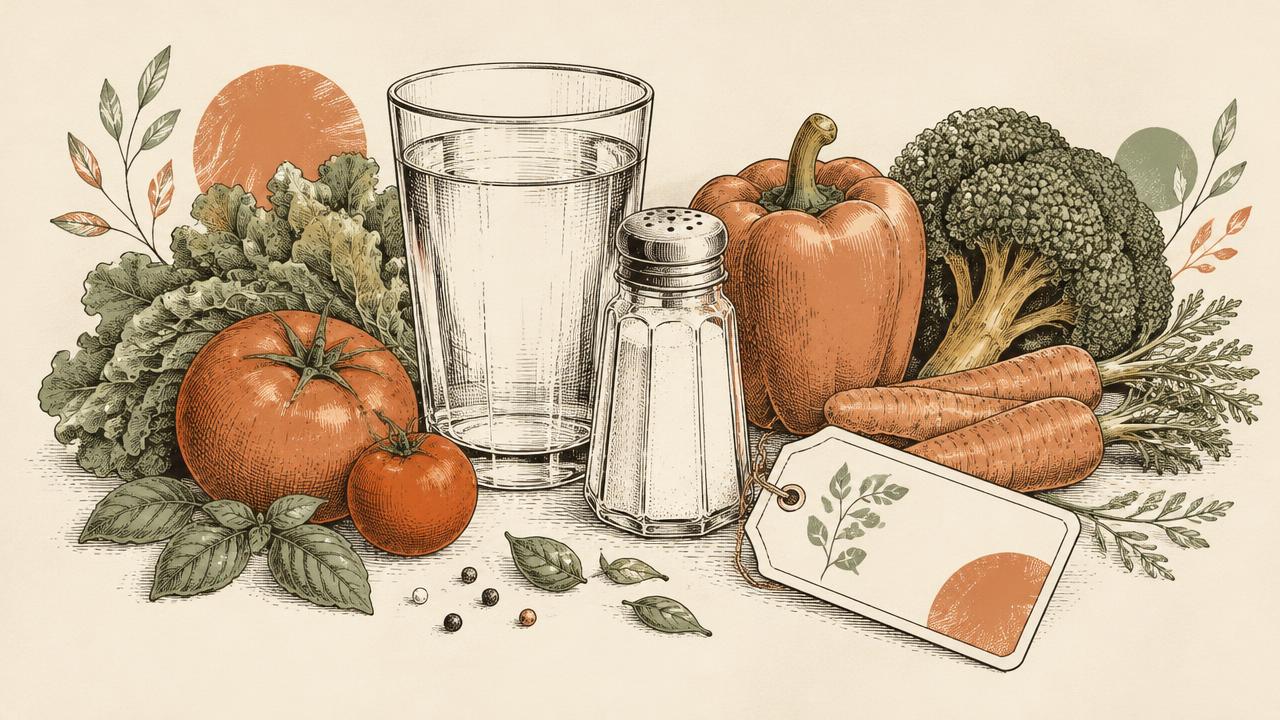
Sodium helps regulate fluid balance, and high intake can contribute to water retention in some circumstances. That does not mean every salty meal causes facial swelling or that avoiding salt will cure it. Compare similar foods, use a little less salty sauce and include lower-sodium options you actually enjoy.
Useful swaps include unsalted nuts instead of heavily salted snacks, plain rice with your own seasoning instead of instant noodle seasoning, and fresh beans or no-added-salt canned beans instead of heavily salted alternatives. Keep eating adequately; restriction and compensatory fasting are not puffiness treatments.
Support general health without promising a facial result
A consistent sleep schedule can support energy and wellbeing. Poor sleep may coincide with a tired-looking face, but improving sleep is not a proven way to slim facial tissue. Focus on how rested you feel rather than whether your face looks different each morning.
Choose enjoyable physical activity appropriate to your abilities, such as walking, cycling or adapted exercise. Movement benefits health, but sweating is not evidence that facial fat or swelling is leaving the body. Avoid overheating or trying to dehydrate yourself.
If you drink alcohol, reducing excessive intake may help your sleep and make consistent self-care easier. You do not need to use facial appearance as a scorecard for drinking. If dependence is possible, ask a clinician about reducing safely rather than stopping abruptly without support.
Address irritation and keep massage optional
Itchy, watery eyes, sneezing or congestion may point toward allergies. A pharmacist or clinician can help you choose suitable treatment and identify likely triggers. Swelling with significant facial pain or fever needs assessment; do not assume it is ordinary hay fever.
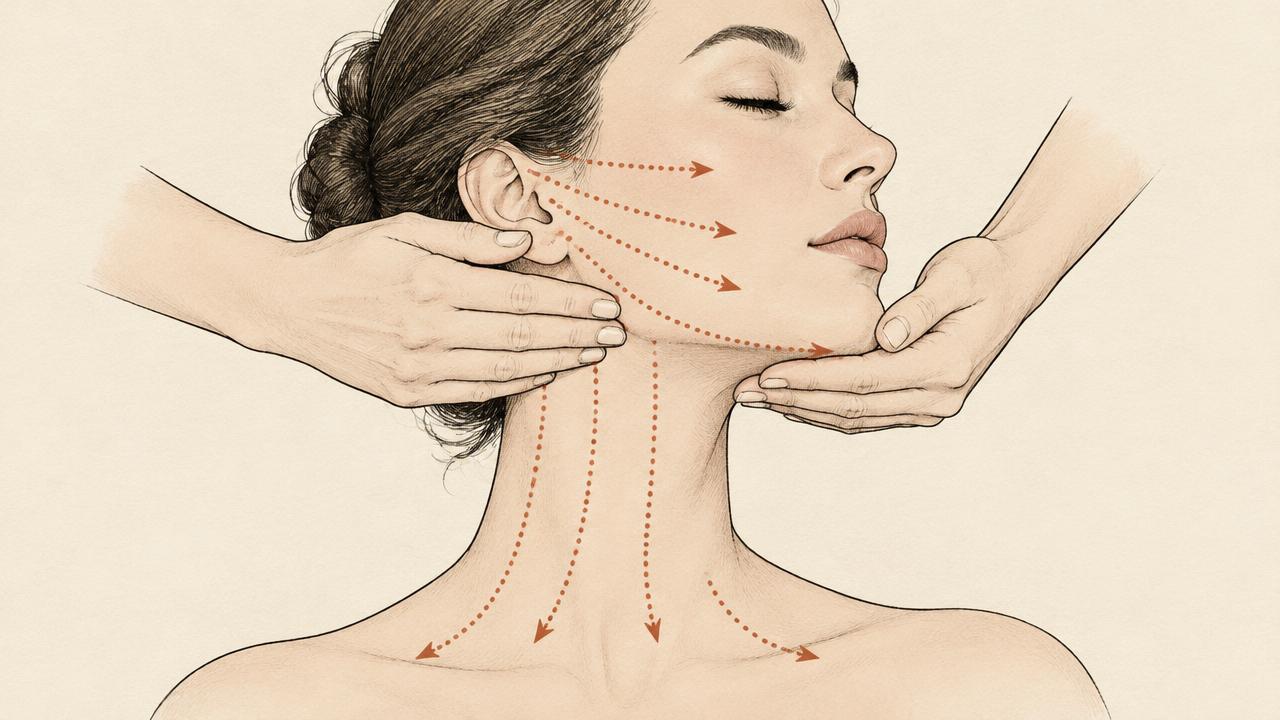
For comfort, wash gently with cool—not freezing—water. If you enjoy facial touch, use clean hands and feather-light contact that does not drag the skin. Avoid pressing on the eyes or front of the neck. Stop if you notice pain, irritation, dizziness or worsening swelling.
Cosmetic massage is not medical lymphatic drainage and should not be presented as treatment. Evidence does not establish a reliable, lasting puffiness benefit for everyone. Avoid massage over inflamed or infected skin, unexplained swelling, or recently treated areas without professional guidance.
A Simple Daily Routine for Managing Facial Puffiness
Keep this flexible. The goal is a comfortable day, not completing a checklist perfectly or making your face look smaller.
Morning
Notice any pain or other warning signs, then move on with your morning. Wash gently, eat breakfast and drink normally. Allow familiar mild puffiness time to settle without repeated mirror checks.
Daytime
Keep fluids available, eat regular meals and take movement breaks when practical. Compare sodium labels when convenient, and follow any agreed allergy treatment.
Evening
Choose a realistic bedtime, prepare a relaxing wind-down and avoid excessive alcohol. If heavily salted convenience meals are frequent, try one manageable alternative rather than redesigning your whole diet.
Occasional review
Consider whether symptoms are persistent or linked with a clear exposure. A brief symptom note can help a clinician. Avoid repeated photos, elaborate food rules or treating one morning as proof of success or failure.
Know when self-care is not enough
Call your local emergency number for sudden lip, mouth, tongue or throat swelling, breathing or swallowing difficulty, throat tightness or collapse. Do not delay while trying a home remedy. These are emergency signs highlighted by the NHS.
Seek prompt care for sudden, severe, painful or one-sided swelling, especially with redness, warmth, fever, dental symptoms, eye pain or vision changes. Arrange a routine assessment for swelling that persists, recurs without explanation, worsens or follows a medication change. Do not discontinue prescribed medication independently.
If you enjoy optional exercises, daily routine provides a timer and completion tracking. Use it for consistency only when movements are comfortable, not to treat swelling. Taking a rest day or skipping the routine is appropriate when you feel unwell.
Frequently asked questions
What is the fastest natural way to reduce puffiness?
There is no reliable quick fix for every cause. Familiar mild puffiness may settle with time, and a comfortably cool washcloth can feel soothing. New or significant swelling should be evaluated rather than treated with increasingly intense home techniques.
Does drinking extra water flush out facial fat?
No. Water does not selectively remove facial fat, and drinking beyond your needs does not guarantee less swelling. Excessive intake can be harmful. Maintain reasonable hydration and follow any individual medical or fluid-restriction advice.
Should I use detox teas or water tablets?
Do not use detox products or non-prescribed diuretics to change your face. They do not establish why swelling is happening and may disrupt fluid or electrolyte balance. Persistent puffiness is a reason for assessment, not stronger self-treatment.
The takeaway
Gentle care and sustainable habits are reasonable for ordinary temporary puffiness. Avoid promises of detoxification, fat removal or guaranteed results, and get medical advice when swelling is concerning or unexplained.
Sources and further reading
General wellness information, not a diagnosis or individual medical advice. A healthcare professional can advise on unexplained swelling, pain, medical conditions, or recovery after treatment.