Facial Fat and Face Slimming
Can You Lose Face Fat Without Losing Weight?
Find out why facial fat cannot reliably be targeted, what can change facial appearance at a stable weight, and how to approach puffiness safely.
6 min read · Educational guide
You cannot reliably choose to lose facial fat while keeping the rest of your body unchanged. Facial exercises and massage are not established methods of targeted fat loss. However, your face can look different without a meaningful scale change because fluid-related puffiness, posture, expression, skin, and photographic conditions also influence appearance.
Stable Weight Does Not Mean Every Tissue Is Unchanged
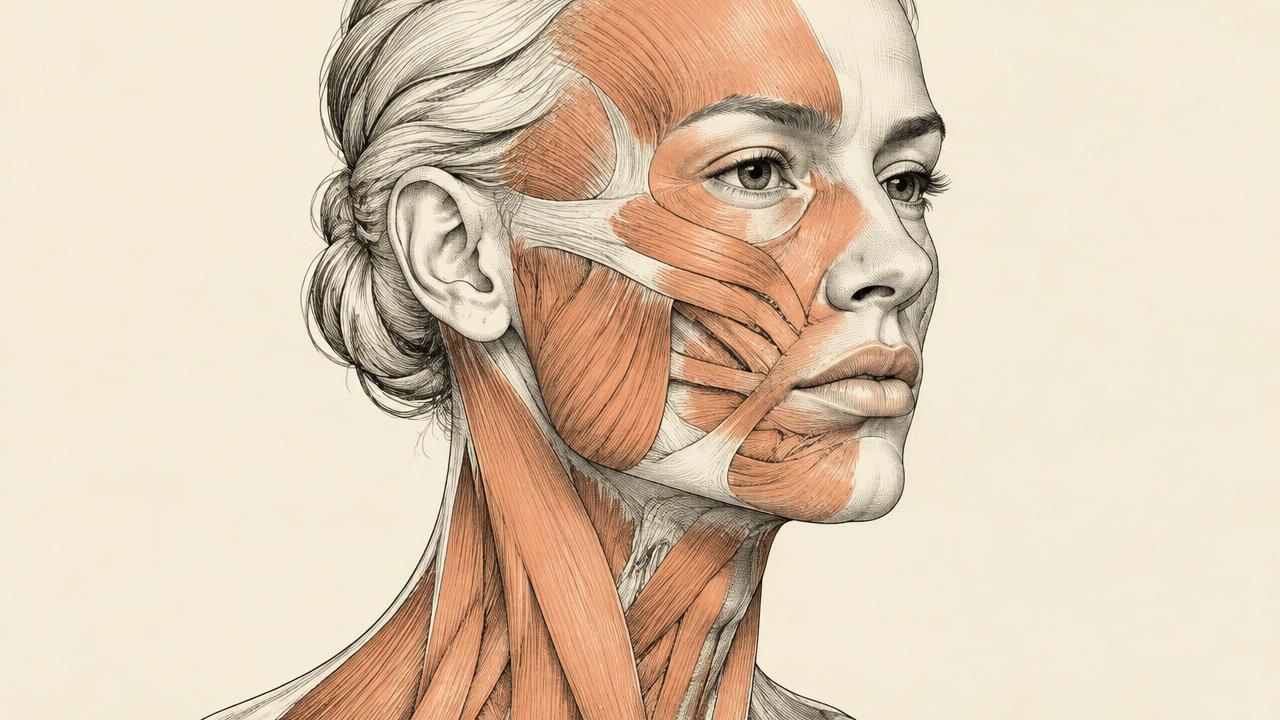
Body weight combines fat, muscle, water, bone, and other tissues. Someone may gradually gain muscle while losing some fat, leaving their weight relatively stable. That is body recomposition, not selective facial fat loss, and it does not guarantee any particular change in the face.
Small differences in facial appearance can also occur without fat changing at all. Fluid movement, relaxed expression, a different head position, or a camera held farther away may explain a comparison. A visible difference is not enough to identify which tissue changed.
Bone structure sets important limits. A rounded cheek shape or less projecting chin may be an inherited feature rather than a pocket of fat you need to remove. Healthy faces do not all have the same angles.
Why Targeted Facial Fat Loss Is Not a Reliable Strategy
Spot reduction means using local exercise to preferentially remove nearby fat. A systematic review and meta-analysis of localized training did not establish this effect. Although that research does not directly test every facial movement, it does not support claims that exercising a cheek makes the body burn cheek fat.
Facial exercise evidence is also limited. A JAMA Dermatology pilot study had 16 completers and no control group. It evaluated perceived aging and facial fullness, not selective fat loss. Its reported cheek-fullness changes cannot be translated into proof that face yoga slims the face.
Massage does not extract or burn fat either. Any short-term change in comfort or ordinary puffiness should not be described as fat removal. Stronger pressure, more repetitions, and longer sessions do not solve this evidence gap.
What Can Actually Change Your Facial Appearance Without Weight Loss?
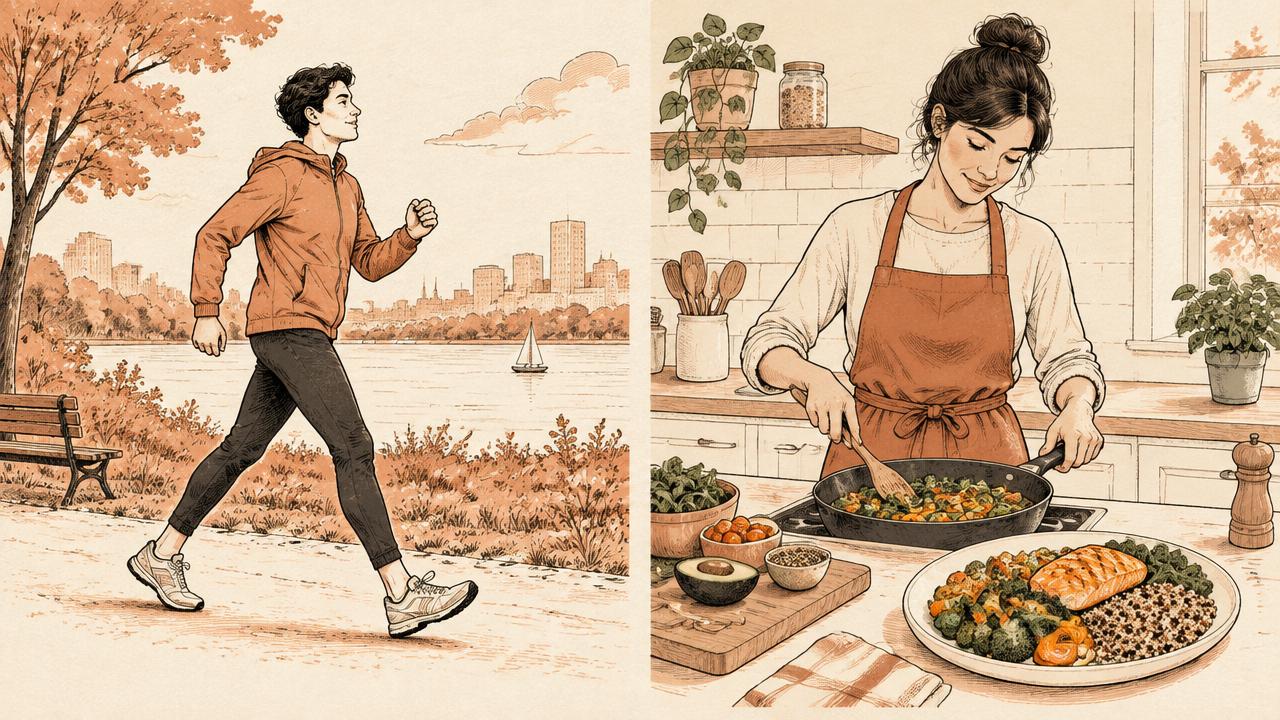
The following changes may affect appearance or comfort without selectively burning facial fat. Their relevance depends on the cause of the fullness, and none guarantees a slimmer face.
- Reduced temporary puffiness: fluid-related fullness can vary independently of body fat. Persistent swelling still needs assessment.
- Better sleep: a consistent schedule supports health and may improve a tired appearance, but it is not a proven facial fat-loss intervention.
- Consistent hydration: regular fluids support normal function. Forcing extra water does not reliably slim the face.
- Managing excessive sodium intake: choosing less heavily salted foods may help when sodium-related fluid retention contributes.
- Posture and muscle relaxation: a comfortable head position and unclenched jaw can change how the lower face looks, especially in photographs, without changing bone or fat.
A Practical Plan When Weight Loss Is Not Your Goal
Begin with the assumption that maintaining your weight may be entirely appropriate. If your concern is occasional morning puffiness rather than persistent swelling, try making ordinary habits more consistent instead of reducing food.
For example, after a weekend with restaurant meals, alcohol, and short sleep, return to regular meals and your usual bedtime. Choose a less salty lunch because it fits a balanced pattern, not as compensation. Drink normally rather than trying to force a rapid change.
If you want to improve fitness at a stable weight, include suitable aerobic activity and strength training while eating enough to support them. A clinician or registered dietitian can help if you have health conditions, uncertainty about fueling, or a history of disordered eating.
Avoid starting several appearance-focused interventions simultaneously. Otherwise, ordinary variation can look like evidence that a product or routine works. Judge changes mainly by energy, comfort, and sustainability rather than cheek measurements.
Shortcuts That Can Cause Problems
Dehydration, laxatives, nonprescribed diuretics, and severe carbohydrate or calorie restriction may change weight or appearance temporarily without selectively removing facial fat. They can also cause harm. Do not use them to prepare for photographs or events.
Repeated clenching and resistance chewing can aggravate jaw symptoms. If an exercise produces pain, uncomfortable clicking, locking, or headache, stop. There is no need to complete an uncomfortable routine to earn a benefit that has not been established.
Do not stop prescribed medicines because you suspect they affect facial fullness. Discuss the timing and symptoms with your prescriber. Similarly, a medically prescribed fluid limit takes priority over general advice to drink more.
Use Tracking as a Record, Not Proof
The app's daily routine includes daily guided exercises, a timer, and completion tracking. It can provide structure if you enjoy gentle movement, but the app does not prove cosmetic effects. Skip uncomfortable exercises and do not treat a streak as a reason to ignore symptoms.
The nutrition page area records water and cardio; its hydration target is fixed rather than tailored to your needs. Optional photo comparisons in progress page have limited free access and cannot measure facial fat. Use them sparingly, if at all, and stop if comparisons increase distress.
Unexplained or worsening swelling warrants medical advice. Sudden lip, tongue, or throat swelling, or trouble breathing, is an emergency requiring immediate help. Painful one-sided swelling, fever, or dental symptoms need prompt assessment rather than a cosmetic experiment.
Frequently asked questions
Can I reduce cheek fat while building muscle?
Some people lose overall fat while gaining muscle, so body weight may change little. You still cannot choose whether fat loss occurs in the cheeks. Adequate food and suitable training matter more than trying to force a particular facial response.
Will drinking more water make my face thinner?
Not reliably. Drinking enough supports hydration, but extra water does not selectively remove facial fat. Requirements vary, and excessive intake can be unsafe. Follow individualized medical advice if you have a condition affecting fluid balance.
Does a slimmer-looking photo prove that a routine worked?
No. Lighting, lens distance, head position, expression, and fluid shifts can all change appearance. Even standardized photographs cannot identify facial fat loss by themselves or prove that an exercise caused a difference.
The takeaway
Your appearance can change at a stable weight, but that is not proof of targeted facial fat loss. Maintain adequate nutrition, address possible puffiness safely, and keep optional exercise separate from promises about facial shape.
Sources and further reading
- Human Movement: Systematic review and meta-analysis of spot reduction
- JAMA Dermatology: Association of facial exercise with the appearance of aging
- NHS: Water, drinks and hydration
- NIDDK: Eating and physical activity to lose or maintain weight
- MedlinePlus: Facial swelling
- NIDCR: Temporomandibular disorders
General wellness information, not a diagnosis or individual medical advice. A healthcare professional can advise on unexplained swelling, pain, medical conditions, or recovery after treatment.